 中文
 English
 Русский

Suzhou Heji Textile
Suzhou Heji Textile Technology Co., Ltd.
Fabric Revolution in the Home Footwear Market Expansion: From Homogeneous Warmth to Diverse Expression
Time: 2026-09-22 09:00:00
Author: Suzhou Heji Textile Technology Co., Ltd.
Click:
Fabric Revolution in the Home Footwear Market Expansion: From Homogeneous Warmth to Diverse Expression
Fabric Revolution in the Expanding Home Footwear Market: From Homogeneous Warmth to Diverse Expression
The global home footwear market is undergoing a significant structural expansion. According to data from market research agencies, the global home footwear market size is expected to be approximately $12.4 billion in 2025 and is projected to grow to $16.2 billion by 2034, with a compound annual growth rate of 5.2%.The Asia-Pacific region dominates with a 35.2% revenue share, and Chinese manufacturers continue to lead product innovation, integrating traditional aesthetics with contemporary design.The deeper driving force behind this growth comes from the shift in home living styles from 'passive staying at home' to 'actively enjoying oneself at home'—consumers are no longer satisfied with slippers that only keep their feet warm, but expect home footwear to, in addition to comfort, also carry aesthetic expression, scene extension, and health functions.
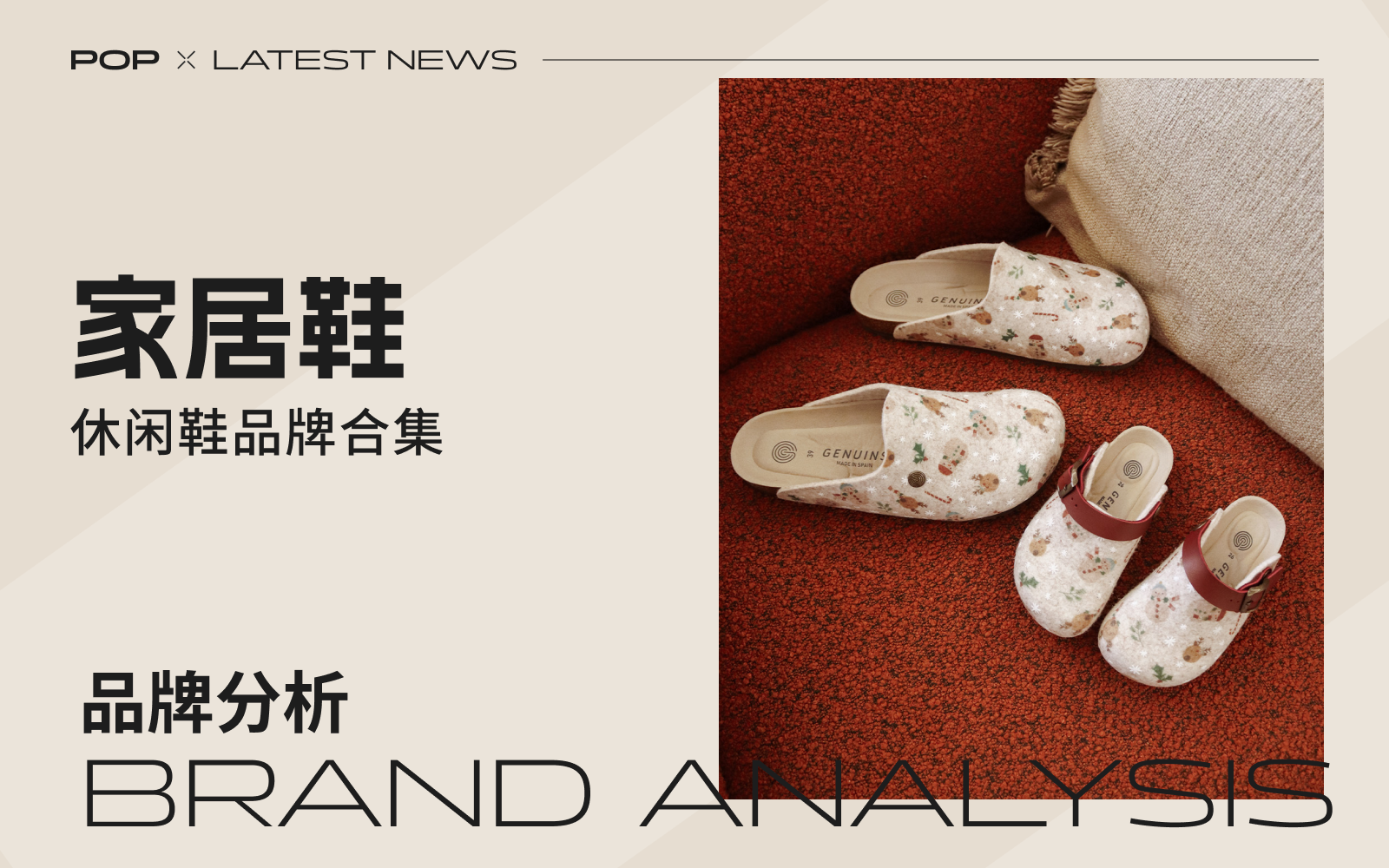
1. Multiple brands entering the market, differentiated shoe material fabrics segmenting consumer groups
The expansion of the home footwear market has attracted a diverse range of brands, from mass-market to luxury. The Spanish brand Genuins centers on anatomical insoles as its core technology, using materials such as felt, wool, and synthetic lambswool to create home shoes. With PETA vegan certification, it emphasizes sustainable production and local supply chains.The German brand Rohde has a shoemaking history of over 150 years, with an annual production of more than 4 million pairs. Its home shoe products feature genuine felt soles and non-slip rubber patches, and the choice of shoe materials leans towards durability and functionality, targeting a mature consumer group that values practicality and quality.The Japanese brand GEORGE'S creates home shoes through a patchwork design that mixes three different shoe materials. With 'indoor walking' as the core design concept, it emphasizes a stable shoe shape and an experience that is not easy to trip over.Luxury brand Miu Miu has introduced high-end shoe materials such as wool, cashmere, and shearling into the home footwear sector, launching wool and cashmere slippers priced at 1,250 euros, elevating home footwear to the level of fashion accessories.。
These brands' differentiated choices of materials for home footwear essentially segment different consumer groups: the mass market focuses on cost-effectiveness and basic comfort, the mid-range market values functionality and design, and the high-end market pursues luxurious materials and brand recognition.Shoe materials and fabricsDifferentiated choices are becoming the core means for home footwear brands to establish product segmentation.
2. From Single Warmth to Diverse Textures: The Upgrading of Expressiveness in Shoe Materials
Traditional home slippers have long been primarily made of cotton, plush, and synthetic insulating materials, with products being highly homogeneous. However, the current trend in home shoe materials has significantly expanded: diverse expressions such as plush color-blocking, felt textures, knitted patterns, printed jacquard, and woven cutouts are redefining the visual and tactile experience of home footwear.
In the 2026 home footwear trends,Shoe materials and fabricsThe expression of texture is placed at the core. Soft fabrics and a warm touch have become key directions. Felted PET recycled fabrics are favored by the market for their lightweight and environmentally friendly properties, while ultra-soft fabrics paired with lamb fleece lining in home slipper-type products are also increasing.The application of jacquard rabbit hair fabric in the field of home shoes demonstrates unique advantages—the jacquard process gives the fabric a three-dimensional pattern and texture effect, allowing functional shoe materials to also have aesthetic value, making it lighter and more breathable compared to traditional warming materials.At the same time, the application of woven hollow-out and 3D flyknit technology in home footwear materials is also expanding. The one-piece molded mesh flyknit upper can simultaneously achieve improved breathability and antibacterial effects.。
These trends are forShoe materials and fabricsThe supplier's process capabilities are subject to higher requirements: the printing accuracy determines the fineness of the pattern, the jacquard structure determines the three-dimensional layers of the texture, and the finishing process determines the softness of the touch and the durability of the function.
3. Technical Reserves and Industrial Collaboration of Footwear Material and Fabric Enterprises
In this round of home footwearShoe materials and fabricsCurrently upgrading, Suzhou Heji Textile Technology Co., Ltd., located in Shengze, Wujiang, Suzhou, has demonstrated a technological reserve that is highly in line with trends. Heji Textile is affiliated with the Heji Group and specializes in outdoor fabrics and bag fabrics,Shoe materials and fabricsThe research and production of fabrics such as tent materials that have waterproof, wear-resistant, and tear-resistant properties is the manufacturing base of Hutchison Group.。
at/in/onShoe materials and fabricsIn terms of pattern processing, Heji Textile has a product line of digital printed fabrics with unique pattern series, supporting customized pattern printing, which can meet the personalized fabric pattern needs of home footwear brands. Its jacquardShoe materials and fabricsThe products cover multiple categories such as jacquard and wheat ear jacquard oxford fabric. The jacquard technique can directly form three-dimensional patterns during the fabric weaving process, integrating the design with the fabric structure, presenting a richer sense of layering and superior durability compared to printing.. This capability is related to the jacquard textures and printed patterns in the current home footwear trendShoe materials and fabricsHigh demand match.
In functionalityShoe materials and fabricsIn terms of TPEE by Hutchison TextilesShoe materials and fabricsCombining breathability, comfort, and lightweight durability, suitable for the upper construction of home shoes that require high comfort.. The company also has functional fabrics such as cut-resistant fabric, waterproof fabric, flame-retardant fabric, and anti-static fabricShoe materials and fabricsThe production capacity can provide material-level technical support for the functional requirements of home footwear, such as antibacterial, anti-slip, and breathable properties.. It is worth noting that the testing standards for home footwear regardingShoe materials and fabricsClear requirements have been proposed: the slip resistance must meet the SATRA TM63 wet test with a coefficient of friction ≥0.4, formaldehyde content must comply with the GB/T 2912.1 standard, and the upper fabric of the shoe is prohibited from using nonylphenol ethoxylates and the content must be ≤0.1%.Hutchison Textile is inShoe materials and fabricsThe systematic capability in quality control provides supply chain assurance for downstream brands to meet these standards.
From the perspective of industrial collaboration, Heji Textile is rooted in Shengze, a textile industry cluster worth hundreds of billions, with a 22,000-square-meter weaving factory producing grey fabric. It has established close cooperative relationships with multiple dyeing and finishing factories, enabling full-process collaboration from weaving and printing to finishing.The company is a core enterprise under the Hutchison Group, as well as the sole designated fabric supplier for Xtep, and has established cooperative relationships with brands such as Samsonite, Hongxing Erke, Anta, and 361°.. These supply chain partnerships indicate that Hutchison Textiles'Shoe materials and fabricsThe quality control system has been validated in the market by multiple brands.
4. Value of wearing in dual scenarios and functional upgrade of shoe materials
Another notable trend in home footwear is the strengthening of the dual-scenario wearing value of 'indoor home and short outdoor trips.' Content from fashion bloggers is driving home shoes from private spaces into the public eye—plush slippers paired with outdoor clothing for a 'relaxed' look have gained a lot of attention on social media. This trend affectsShoe materials and fabricsNew requirements have been proposed: home environments require softness, skin-friendliness, and breathability, while short-distance outings require wear resistance, ease of cleaning, and a certain level of structural support.
Hutchison TextileShoe materials and fabricsIn the product line, Oxford fabrics of different specifications such as 1680D Oxford cloth, 600D Oxford cloth, and 420D Oxford clothShoe materials and fabrics, can be configured differently according to the needs of different parts of the home shoes, such as the upper, lining, and edgingHigh-density Oxford clothShoe materials and fabricsWhile maintaining lightness, it provides sufficient wear resistance and tear strength, meeting the durability needs of home shoes for short-distance outings. The woven upper and jacquardShoe materials and fabricsIt provides a richer range of visual expression options for home shoes.
5. Directions for Collaborative Upgrading of the Shoe Material and Fabric Supply Chain
The continuous expansion of the home footwear market is drivingShoe materials and fabricsThe supply chain is transforming from passive sample-based processing to proactive design collaboration. Brands are moving towardsShoe materials and fabricsThe demand is no longer limited to basic physical performance, but extends to comprehensive service capabilities such as pattern customization, texture innovation, environmental certification, and rapid prototyping. Hexi Textile in digital printingShoe materials and fabricscustomization capability, jacquardShoe materials and fabricsrapid development capabilities and functionalityShoe materials and fabricsIts technical reserves provide it with the basic conditions to participate in collaborative brand front-end design during this transformation.
With the continuous expansion of the home footwear sector in terms of design and functionality,Shoe materials and fabricsAs a core element connecting design creativity and wearing experience, its value will be further highlighted. ForShoe materials and fabricsFor enterprises, mastering the four major technological directions of jacquard textures, digital printing, functional finishing, and environmentally friendly materials, and deepening collaborative capabilities with brands on the design end, will be the key to winning in the home footwear supply chain competition.

点击右上角
分享给朋友吧


 Long by picture save/share
文章推荐
From the arena to the streets: Suzhou Heji Textile Technology Co., Ltd. with innovative shoe materials, Pinterest 2026 sports fashion trends
Gongye 2028: Haji Textile uses all-scenario shoe materials to reshape the aesthetics of outdoor sports life
Diverse Light Footwear 2028: Hutchison Textile Technology defines a new all-scenario fashion for men's export slippers with innovative shoe materials.
From the Italian Garda Exhibition, observing the global footwear procurement changes: How Hutchison Textiles anchors China's core advantages through fabric innovation
Military-Colored City--27/28 Fall/Winter Major Brand Business Men's Shoes Color Trend Forecast
Copyright 2025 Suzhou Heji Textile. All rights reserved.
Contact
Contact person: Ding Jianying
Phone: +86 189 1373 6999
Email: admin@heji-textile.com
Address: Group 10, Shuangshu Village, Shengze Town, Wujiang District, Suzhou, Jiangsu, China

Scan to contact us
Copyright Suzhou Heji Textile Technology Co., Ltd. All rights reserved. ICP Registration No. 19049610-1
